


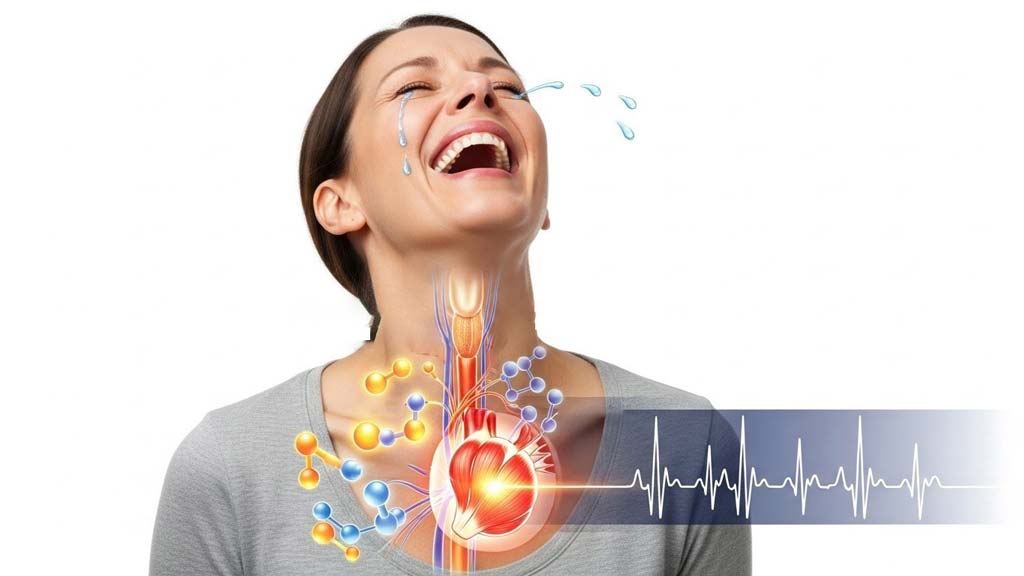
Laughter and stress relief operate through measurable biological pathways that extend across multiple body systems.
Research demonstrates laughter triggers immediate hormonal shifts. Cortisol (the primary stress hormone) drops whilst endorphins (natural feel-good chemicals produced by your body) rise. These changes aren’t fleeting emotional responses.
Physical alterations occur. Heart rate increases 10-20% during voiced laughter. Blood pressure shifts. Immune cells activate. Pain tolerance rises measurably.
The mechanisms are sophisticated yet accessible. You don’t need equipment or training to access these benefits. A genuine laugh activates the same pathways whether you’re watching comedy or sharing stories with friends.
The evidence base has strengthened considerably. Meta-analyses confirm that laughter and stress relief produce quantifiable effects on cortisol levels, cardiovascular function, and immune markers. Single sessions show rapid effects. Regular practice compounds benefits over time.
What happens inside your body when you laugh tells a compelling story. Facial muscles contract in specific patterns. Respiratory function changes through four distinct stages. The hypothalamic-pituitary-adrenocortical axis (your body’s central stress response system connecting the brain and hormone glands) responds immediately.
Sleep quality improves. Fatigue reduces. Pain perception shifts through the release of endorphins (natural pain-relieving chemicals) that target the same receptors as prescription medications.
We explored laughter’s comprehensive health benefits in our previous post. The research reveals patterns worth understanding. Laughter affects your body in ways that accumulate, influencing both immediate stress responses and long-term health trajectories. The biological machinery operating during those moments of genuine mirth produces effects that persist long after you’ve stopped laughing.
How Laughter and Stress Relief Work Through Cortisol Reduction
Cortisol regulation stands at the centre of how laughter and stress relief create measurable health effects.
The hypothalamic-pituitary-adrenocortical (HPA) axis governs your body’s stress response. This neuroendocrine system (the network connecting your nervous system and hormone-producing glands) maintains homeostasis (stable internal body conditions) across virtually every bodily function through carefully regulated feedback loops.
When stressors activate this pathway, cortisol levels rise. Chronically elevated cortisol drives fatigue, mood disturbances, weakened immune function, and increased disease risk.
Spontaneous laughter impacts this system directly. Studies measuring cortisol before and after laughter interventions show consistent reductions. Meta-analytic evidence indicates that interventions that trigger spontaneous laughter reduce cortisol levels by approximately 32%.
The effect manifests rapidly. A single laughter session reduces cortisol by roughly 37%. This isn’t a gradual change requiring weeks of practice.
Laughter yoga (structured laughter exercises combining breathing techniques) attenuates the cortisol stress response in healthy individuals. The practice buffers against stress’s negative impact through measurable hormone changes.
Most yogic breathing practices shift autonomic nervous system (the system that controls automatic body functions like heart rate) activity toward parasympathetic (the “rest and digest” branch that calms your body) dominance, creating conditions that support cortisol reduction.
How the mechanism operates:
- Laughter activates neural pathways that signal the HPA axis to moderate cortisol secretion
- Simultaneously, parasympathetic nervous system activity increases, countering sympathetic stress responses
- The combination creates a measurable reduction in circulating stress hormones
- Effects persist beyond the laughter episode itself, providing extended relief
Alpha-amylase activity (an enzyme in saliva that indicates stress levels) provides another stress marker. This enzyme responds rapidly to physical and mental stress. Studies comparing comedic video viewing to control conditions show that laughter prevents increases in stress during subsequent cognitive tasks. The positive effect operates through what researchers term the psycho-neuro-endocrine-immune stress response mechanism (the interconnected system linking psychological state, brain function, hormones, and immune activity).
Social support amplifies these effects. Laughter in social contexts further suppresses cortisol whilst increasing oxytocin levels (a hormone that promotes social bonding and stress reduction). The social dimension of laughter and stress relief adds another layer to the biological response.
Reduced cortisol carries downstream benefits. Lower stress hormone levels may support hair growth by affecting hair-follicle stem cells. Excessive cortisol secretion associated with chronic HPA-axis stimulation links to obesity, depression, and chronic pain conditions. Laughter’s ability to moderate this pathway positions it as a practical intervention for stress-related health concerns.
The blunted cortisol response induced by spontaneous laughter produces metabolic (relating to chemical processes that maintain life) effects extending past the obvious relaxation and well-being. Laughter and stress relief operate through this fundamental hormonal pathway, creating impacts that ripple across multiple physiological systems.
The Physical Mechanics of Laughter in Your Body
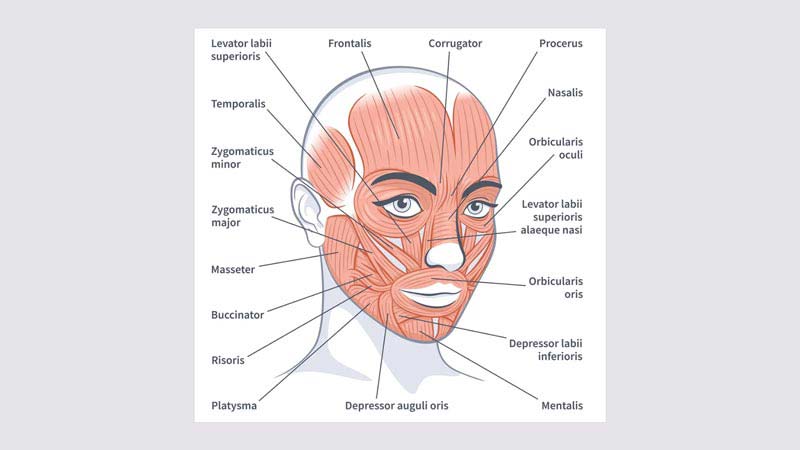
Genuine laughter involves precise muscular coordination across your face, chest, and abdomen.
The Duchenne smile (named after the scientist who discovered it) is a sign of genuine joy and represents true laughter. Two facial muscles contract simultaneously: the zygomatic major (cheek muscle) pulls the corners of the lips upwards and backwards, whilst the orbicularis oculi (muscle surrounding the eye) creates characteristic eye wrinkles. Only genuine smiles involve the involuntary contraction of the orbicularis oculi. This distinguishes authentic laughter from social smiling.
Your respiratory system transforms during laughter. Four stages of laryngeal regulation (control of your voice box) occur:
- The interpulse pause (brief silence between laugh sounds)
- Arytenoid cartilage (small throat structures controlling airflow) closure
- Vocal cord vibration
- Arytenoid cartilage opening
Voiced laughter expands the sternum and exercises breathing capacity. The physical act stimulates brain regions generating positive mood, creating a feedback loop between bodily movement and emotional state.
Energy expenditure increases measurably. Fifteen minutes of genuine laughter burns approximately 40 calories through sustained contraction of facial and abdominal skeletal muscles, including the diaphragm. Metabolic demand rises by 10-20% compared to resting values.
Heart rate climbs during voiced laughter. The cardiovascular response mirrors patterns of light aerobic activity. Laughter consists of mixed expiration, inspiration, and interval pauses, creating rhythmic changes in cardiovascular function.
The neurological pathway for spontaneous laughter differs from voluntary speech. Neuroimaging studies reveal a unique neural route that operates subcortically (below the level of conscious brain regions) and intuitively. This explains why genuine laughter feels involuntary: it originates from brain regions outside conscious control.
Ancestral forms of play homologous (similar in evolutionary origin) to human laughter appear in other mammals (warm-blooded animals that produce milk for their young). Dogs, chimpanzees, and rats display laughter-like behaviours. This suggests that laughter evolved as a natural response that restores homeostasis (stable internal body conditions) across diverse species. The capacity for laughter in humans precedes neural development of speech.
Hearing a punchline activates the sympathetic nervous system. The momentary arousal during humour perception triggers the subsequent physical release through laughter. This cathartic quality releases nervous energy, providing both emotional and physical relief.
The physical mechanics create conditions that lead to broader health effects. Muscle contractions, respiratory changes, and cardiovascular responses during laughter set the stage for hormonal shifts and immune activation. These mechanical foundations illuminate why laughter and stress relief produce such wide-ranging effects across body systems.
Cardiovascular Changes: Heart Rate, Blood Pressure, and Circulation
Laughter creates measurable shifts in cardiovascular function that extend past the moment you stop laughing.
Voiced laughter increases heart rate 10-20% above resting values. The cardiovascular response during laughter parallels patterns seen during light aerobic activity. Energy expenditure rises correspondingly, creating metabolic demands on the circulatory system.
The ratio of low-frequency to high-frequency heart rate variability (LF/HF) provides insight into autonomic nervous system activity. LF/HF indicates sympathetic activity, whilst HF alone reflects parasympathetic (the calming branch of your nervous system) function.
Studies measuring these parameters during comedic video viewing reveal a specific pattern:
- LF/HF rises significantly during laughter, showing sympathetic activation
- HF increases substantially after laughter ends
- The sympathetic spike triggers enhanced parasympathetic activity through homeostatic mechanisms
- This sequence reduces stress markers more effectively than control conditions
Blood pressure responds dynamically. Boisterous and simulated laughter both produce momentary increases in blood pressure, followed by decreases. The temporary rise during enjoyable situations likely reflects energising effects. The subsequent drop provides the stress-buffering benefit.
Endothelial function (the inner lining of blood vessels’ ability to regulate blood flow) improves following laughter-inducing activities. Watching comedy enhances brachial artery flow-mediated vasodilation (widening of blood vessels) and carotid arterial (main neck artery) compliance. These effects persist up to 24 hours. The endothelium responds to laughter by improving its ability to regulate blood flow through nitric oxide release, a substance that relaxes blood vessels.
Laughter lowers blood pressure through reduced vasoconstriction (blood vessel narrowing). The mechanism involves decreased nitric oxide breakdown, allowing it to accumulate and exert its vasorelaxant effect. This pathway explains sustained pressure reductions following laughter episodes.
The propensity to laugh frequently in everyday situations is inversely associated with the incidence of coronary heart disease. Prospective data tracking thousands of participants demonstrates that low laughter frequency is linked to increased cardiovascular disease and all-cause mortality.
Laughter and stress relief operate, in part, through cardiovascular pathways. Individuals with weaker social ties (which typically involve less laughter) show higher mortality and cardiovascular disease incidence. The quality of social connection matters. Laughter in social contexts creates shared experiences that strengthen relationships whilst simultaneously improving cardiovascular function through the mechanisms described.
Optimism correlates strongly with the frequency of spontaneous laughter. People who laugh readily score higher on optimism measures. Separately, optimism associates independently with cardiovascular and total mortality, linking to exceptional longevity. The laughter-optimism-longevity pathway suggests that laughter serves as both a cause and a marker of psychological states that protect health.
Laughter and Stress Relief Through Immune System Activation
Your immune system responds measurably to laughter through multiple pathways.
Natural killer cell activity
Natural killer (NK) cells destroy infected or cancerous cells in your body. These immune cells operate as your first line of defence against cellular threats.
Laughter up-regulates genes related to NK cell activity. Studies involving individuals with type 2 diabetes show that laughter increases the expression of genes controlling NK cell function. This genetic activation translates to enhanced immune surveillance: your body’s ability to detect and eliminate problematic cells improves.
The effect manifests through T lymphocyte activation (a type of white blood cell that coordinates immune responses). Laughter triggers increases in white blood cell counts and immunoglobulin levels (antibody proteins fighting infection). These changes represent genuine immune enhancement, not merely emotional uplift.
Cytokine modulation
Cytokines are signalling molecules coordinating immune responses. Their production affects inflammation throughout your body.
Laughter alters cytokine production patterns. The modulation helps regulate inflammation, which underlies numerous chronic diseases. Laughter and stress relief operate partly through this inflammatory pathway, positioning regular laughter as a practical immune intervention.
Disease risk associations
Prospective cohort studies tracking thousands of participants over years reveal patterns. Low laughter frequency associates with increased risks across multiple conditions: functional disabilities, all-cause mortality, cardiovascular diseases, hypertension (high blood pressure), diabetes mellitus (blood sugar regulation disorder), stroke, and poor oral health.
These aren’t small observational studies. Researchers followed populations for decades, tracking laughter frequency alongside health outcomes. The consistency across conditions suggests that improvements in immune function from laughing more represent one mechanism linking laughter to reduced disease burden.
Studies examining the effects of laughter therapy on immune functioning show that participants in intervention groups achieve higher immune measures than those in control groups. The practical application translates research findings into accessible interventions.
Greater laughter frequency is associated with improved immune functioning through the mechanisms described. Laughter and stress relief create conditions supporting immune system efficiency. The positive emotions accompanying laughter simultaneously affect nervous, endocrine (hormone-producing), and immune responses.
Laughter has been shown to help suppress allergic reactions. The breadth of immune effects, from NK cell activation to cytokine modulation to disease risk reduction, illustrates how deeply laughter and stress relief integrate with immune function. These changes operate through established biological pathways, creating measurable improvements in your body’s defence systems. We’ll examine laughter’s effects on mental health and psychological well-being in our next post.

Why Laughter Increases Your Pain Tolerance
Laughter triggers endogenous opioid release: your body’s natural pain-relieving system.
Social laughter, watched with close friends, significantly elevates the pain threshold in both male and female volunteers. The mechanism operates through endorphins binding to opioid receptors, the same sites targeted by prescription pain medications.
Ten minutes of genuine belly laughter produces anaesthetic effects lasting at least two hours. This duration exceeds many pharmaceutical interventions. The pain-free period following laughter episodes provides practical relief without medication side effects.
Three specific pathways explain how laughter increases pain tolerance:
- Endorphin release: Laughter stimulates endorphin production, creating natural analgesia (pain relief). These molecules circulate through your bloodstream, binding to opioid receptors throughout your nervous system. The effect improves mood simultaneously whilst reducing pain perception.
- Distraction mechanism: Humour shifts attention focus away from pain signals. Studies comparing humour to arithmetic and preferred music show that humour effectively increases pain tolerance through cognitive distraction. Your brain’s limited attention capacity means focusing on humour reduces the processing of pain signals.
- Emotional regulation: Humour allows cognitive reappraisal: reinterpreting adverse experiences in less threatening ways. This downregulation reduces negative emotions more effectively than rational reinterpretation alone. The emotional shift that accompanies laughter alters how your brain processes pain signals.
Laughter therapy demonstrates measurable effects on chronic pain conditions. A four-session programme significantly reduced pain in patients with rheumatoid arthritis. Studies using structured laughter and stress relief interventions show average pain score reductions of 8.33 points on standardised scales.
Medical clowns working with paediatric patients illustrate laughter’s analgesic properties. Multiple randomised controlled trials demonstrate that clown interventions significantly relieve anxiety and pain in children undergoing medical procedures. The effect operates through the same endorphin pathways while adding psychological comfort.
Humour intervention increases pain tolerance measurably in controlled studies. Participants viewing comedy clips show elevated pain thresholds compared to control conditions. The dose-response relationship suggests that more laughter produces greater pain relief.
Social laughter triggers stronger endogenous opioid release than solitary laughter. The social dimension amplifies the biochemical response. Laughter and stress relief in group settings create optimal conditions for pain reduction through combined endorphin release and social bonding effects.
Why Laughter Increases Your Pain Tolerance
Laughter triggers endogenous opioid release: your body’s natural pain-relieving system.
Social laughter, watched with close friends, significantly elevates the pain threshold in both male and female volunteers. The mechanism operates through endorphins binding to opioid receptors, the same sites targeted by prescription pain medications.
Ten minutes of genuine belly laughter produces anaesthetic effects lasting at least two hours. This duration exceeds many pharmaceutical interventions. The pain-free period following laughter episodes provides practical relief without medication side effects.
Three specific pathways explain how laughter increases pain tolerance:
- Endorphin release: Laughter stimulates endorphin production, creating natural analgesia (pain relief). These molecules circulate through your bloodstream, binding to opioid receptors throughout your nervous system. The effect improves mood simultaneously whilst reducing pain perception.
- Distraction mechanism: Humour shifts attention focus away from pain signals. Studies comparing humour to arithmetic and preferred music show that humour effectively increases pain tolerance through cognitive distraction. Your brain’s limited attention capacity means focusing on humour reduces the processing of pain signals.
- Emotional regulation: Humour allows cognitive reappraisal: reinterpreting adverse experiences in less threatening ways. This downregulation reduces negative emotions more effectively than rational reinterpretation alone. The emotional shift that accompanies laughter alters how your brain processes pain signals.
Laughter therapy demonstrates measurable effects on chronic pain conditions. A four-session programme significantly reduced pain in patients with rheumatoid arthritis. Studies using structured laughter and stress relief interventions show average pain score reductions of 8.33 points on standardised scales.
Medical clowns working with paediatric patients illustrate laughter’s analgesic properties. Multiple randomised controlled trials demonstrate that clown interventions significantly relieve anxiety and pain in children undergoing medical procedures. The effect operates through the same endorphin pathways while adding psychological comfort.
Humour intervention increases pain tolerance measurably in controlled studies. Participants viewing comedy clips show elevated pain thresholds compared to control conditions. The dose-response relationship suggests that more laughter produces greater pain relief.
Social laughter triggers stronger endogenous opioid release than solitary laughter. The social dimension amplifies the biochemical response. Laughter and stress relief in group settings create optimal conditions for pain reduction through combined endorphin release and social bonding effects.
How Laughter and Stress Relief Improve Sleep Quality
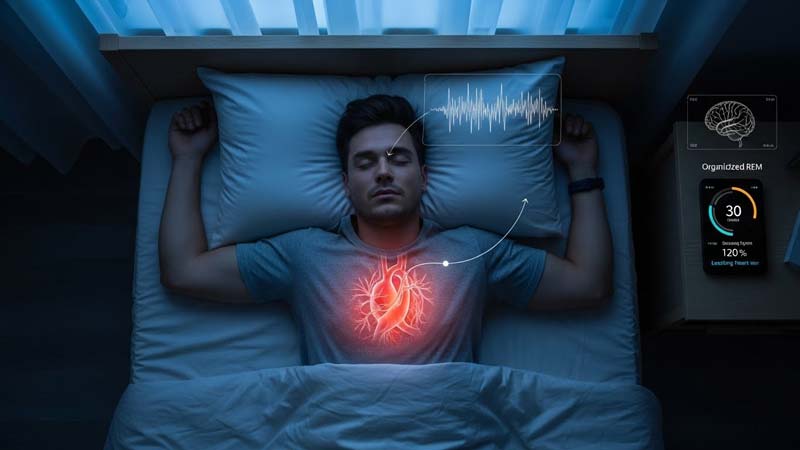
Sleep quality responds measurably to laughter interventions through stress hormone regulation and activation of the parasympathetic nervous system (the calming nervous system).
Meta-analytic evidence examining randomised controlled trials confirms that laughter and stress relief affect sleep quality in adults. The relationship operates bidirectionally: sleep status and laughter influence each other. Poor sleep increases stress hormones, which laughter helps moderate.
Studies using daily one-minute laughter practices identify sleep improvement among reported benefits. The brevity matters. Even short laughter episodes produce sleep-enhancing effects when practised consistently.
One weekly hour of laughter therapy for 4 weeks improves insomnia and sleep quality among older adults. The intervention group showed a 15.5% improvement in sleep quality, as assessed with validated tools. Compulsive laughter (structured laughter exercises) in elderly individuals with depression boosted sleep quality through mechanisms involving mood elevation and stress reduction.
Laughter yoga demonstrates particular efficacy. Thirty-minute sessions twice weekly for eight weeks improve sleep quality in patients undergoing haemodialysis (blood filtering treatment for kidney failure). These individuals experience significant sleep disturbances due to their medical condition. Laughter and stress relief provided through structured practice produced measurable improvements.
Patients with Parkinson’s disease show improved sleep quality after laughter yoga. The neurological condition typically disrupts sleep architecture. Laughter interventions partially counteract these disruptions.
Fatigue responds similarly. Visual analogue scale scores show significantly reduced fatigue after comedic video viewing compared to control conditions. Cancer patients undergoing external radiotherapy experience relieved fatigue following laughter yoga sessions held twice weekly for one month.
Intervention studies measuring pre- and post-scores show reductions averaging 8.82 points for fatigue and 15.68 points for sleep disturbance on standardised scales. These changes represent clinically meaningful improvements in patients’ daily functioning.
Short sleep durations (under 4.5-6 hours nightly) associate with increased HbA1c (a measure of average blood sugar levels over 2-3 months) in individuals with type 2 diabetes. The connection between sleep and metabolic health means laughter’s sleep-improving effects extend to glucose regulation. Laughter and stress relief simultaneously influence multiple interconnected systems.
Meta-analyses demonstrate that laughter and humour interventions have preventive and ameliorative effects on poor sleep quality in adults. The consistency across studies strengthens confidence in the relationship. Improved mood and energy levels accompany sleep benefits, creating compounding positive effects.
The patterns emerging across these studies reveal a fundamental aspect of how your body responds to laughter. Hormonal shifts create conditions for better sleep. Stress reduction facilitates relaxation. The physical act of laughing itself exercises respiratory muscles whilst triggering beneficial neurochemical cascades.
These effects accumulate with regular practice, building resilience against the stressors that typically disrupt sleep. Each genuine laugh contributes to a biological environment more conducive to rest, creating a virtuous cycle where better sleep supports more laughter, which in turn supports better sleep. Discover practical strategies for incorporating more laughter into your daily routine in our guide.
Sources
- Armat, M. R., Emami Zeydi, A., Mokarami, H., Nakhlband, A., & Hojjat, S. K. The impact of laughter yoga on depression and anxiety among retired women: A randomised controlled clinical trial. Journal of Women & Aging, 34(1), 31–42
- Bennett, M.P., Lengacher, C. Humor and laughter may influence health: III. laughter and health outcomes. Evid Based Complement Alternat Med. 2008;5:37–40
- Bennett, M.P., Lengacher, C. Humor and laughter may influence health IV: humor and immune function. Evid Based Complement Alternat Med. 2009;6:159–64
- Bennett, M. P., Zeller, J. M., Rosenberg, L., & McCann, J. (2003). The effect of mirthful laughter on stress and natural killer cell activity. Alternative Therapies in Health and Medicine, 9(2), 38–45
- Buchowski, M. S., Majchrzak, K. M., Blomquist, K., Chen, K. Y., Byrne, D. W., Bachorowski, J. A. (2007). Energy expenditure of genuine laughter. Int J Obes (Lond). 31(1):131–7.
- Choi, S., Zhang, B., Ma, S. et al. (2021). Corticosterone inhibits GAS6 to govern hair follicle stem-cell quiescence. Nature. 592, 428–432.
- Clark, A., Seidler, A., Miller, M. (2001). Inverse association between sense of humor and coronary heart disease. Int J Cardiol. 80(1):87–8.
- Cousins, N. (1976). Anatomy of an illness (as perceived by the patient). N Engl J Med 295(26):1458–63.
- Dionigi, A., Sangiorgi, D., & Flangini, R. Clown intervention to reduce preoperative anxiety in children and parents: A randomised controlled trial. Journal of Health Psychology, 19(3), 369–380
- Fonzi, L., Matteucci, G., & Bersani, G. Laughter and depression: Hypothesis of pathogenic and therapeutic correlation. Rivista di Psichiatria, 45(1), 1–6
- Gonot-Schoupinsky, F.N., Garip, G. Prescribing laughter to increase well-being in healthy adults: an exploratory mixed methods feasibility study of the Laughie. Eur J Integr Med. 2019;1(26):56–64
- Hanssen, M. M., Peters, M. L., Boselie, J. J., Meulders, A. (2017). Can positive affect attenuate (persistent) pain? State of the art and clinical implications. Curr Rheumatol Rep, 19(12).
- Hayashi, K., Hayashi, T., Iwanaga, S., Kawai, K., Ishii, H., Shoji, S., et al. (2003). Laughter lowered the increase in postprandial blood glucose. Diabetes Care. 26:1651–1652.
- Hayashi, T., Tsujii, S., Iburi, T., Tamanaha, T., Yamagami, K., Ishibashi, R., et al. (2007). Laughter up-regulates the genes related to NK cell activity in diabetes. Biomed Res 28(6):281–5.
- Heinrichs, M., Baumgartner, T., Kirschbaum, C., Ehlert, U. (2003). Social support and oxytocin interact to suppress cortisol and subjective responses to psychosocial stress. Biol. Psychiatry. 54:1389–1398.
- Holt-Lunstad, J., Smith, T. B., Baker, M., et al. (2015). Loneliness and social isolation as risk factors for mortality: a meta-analytic review. Perspect Psychol Sci, 10:227–37.
- Kim, H.G., Cheon, E.J., Bai, D.S., Lee, Y.H., Koo, B.H. Stress and heart rate variability: a meta-analysis and review of the literature. Psychiatry Investig. 2018;15:235–45
- Kimata, H. (2001). Effect of humor on allergen-induced wheal reactions. Jama 285(6):738.
- Ko, H. J., Youn, C. H. (2011). Effects of laughter therapy on depression, cognition and sleep among the community-dwelling elderly. Geriatr Gerontol Int. 11(3):267–74.
- Kramer, C.K., Leitao, C.B. Laughter as medicine: a systematic review and meta-analysis of interventional studies evaluating the impact of spontaneous laughter on cortisol levels. PLoS One, 18 (5) (2023), Article e0286260
- Langevin, R., Day, H. I. (1972). Physiological correlation of humor. In: Goldstein, J. H., McGhee, P. E., editors. The Psychology of Humor: Theoretical Perspectives and Empirical Issues. Academic Press; New York, NY, USA
- Law, M. M., Broadbent, E. A., & Sollers, J. J. (2018). A comparison of the cardiovascular effects of simulated and spontaneous laughter. Complementary Therapies in Medicine, 37, 103–109
- Lee, L. O., James, P., Zevon, E. S., Kim, E. S., Trudel-Fitzgerald, C., Spiro, A 3rd, et al. (2019). Optimism is associated with exceptional longevity in 2 epidemiologic cohorts of men and women. Proc Natl Acad Sci U S A. 116(37):18357–18362.
- Lee, S. W. H., Ng, K. Y., Chin, W. K. (2017). The impact of sleep amount and sleep quality on glycemic control in type 2 diabetes: A systematic review and meta-analysis. Sleep Med Rev 31:91–101.
- Manninen, S., Tuominen, L., Dunbar, R. I., Karjalainen, T., Hirvonen, J., Arponen, E., Hari, R., Jääskeläinen, I. P., Sams, M., Nummenmaa, L. (2017). Social laughter triggers endogenous opioid release in humans. J. Neurosci. 37:6125–6131.
- Martin, R. A. (2001). Humor, laughter, and physical health: methodological issues and research findings. Psychol Bull, 127:504–19.
- Martin, R.A., Ford, T. The Psychology of Humor: An Integrative Approach. San Diego, CA: Academic Press; (2018)
- McEwen, B. S. (2008). Central effects of stress hormones in health and disease: understanding the protective and damaging effects of stress and stress mediators. Eur J Pharmacol 583:174–185.
- Meier, M., Wirz, L., Dickinson, P., Pruessner, J. C. (2021). Laughter yoga reduces the cortisol response to acute stress in healthy individuals. Stress 24(1):44–52.
- Memarian, A., Sanatkaran, A., Bahari, S. M., Habibi, S. A. H. (2017). The effectiveness of laughter yoga exercises on anxiety and sleep quality in the elderly suffering from Parkinson’s disease. Aging Psychol. 3(2):85–96
- Miller, M., Fry, W. F. (2009). The effect of mirthful laughter on the human cardiovascular system. Med Hypotheses 73(5):636–9.
- Mitchell, L. A., MacDonald, R. A. R., Brodie, E. E. (2006). A comparison of the effects of preferred music, arithmetic and humour on cold pressor pain. Eur J Pain, 10(4), 343–351.
- Morishima, T., Miyashiro, I., Inoue, N., Kitasaka, M., Akazawa, T., Higeno, A., Idota, A., Sato, A., Ohira, T., Sakon, M. (2019). Effects of laughter therapy on quality of life in patients with cancer: an open-label, randomised controlled trial. PLoS ONE. 14(6):e0219065.
- Morreall, J. (1982). A new theory of laughter. Philosophical Studies: An International Journal for Philosophy in the Analytic Tradition, 42(2), 243–254
- Noto, Y., Sato, T., Kudo, M., Kurata, K., Hirota, K. The relationship between salivary biomarkers and the state-trait anxiety inventory score under mental arithmetic stress: a pilot study. Anesth Analg. 2005;101:1873–6
- Ozer, Z., Ates, S. (2021). Effects of laughter yoga on hemodialysis patients’ plasma-beta endorphin levels, pain levels and sleep quality: A randomised controlled trial. Complementary Ther Clin Pract 43:101382.
- Panksepp, J. (2005). Beyond a joke: from animal laughter to human joy? 308(5718):62–3
- Panksepp, J., Burgdorf, J. (2003). “Laughing” rats and the evolutionary antecedents of human joy? Physiol Behav. 79(3):533–47.
- Rad, M., Borzoee, F., Mohebbi, M. (2016). The effect of humor therapy on fatigue severity and quality of life in breast cancer patients undergoing external radiation therapy. J Adv Med Biomedical Res. 24(103):102–14
- Rokade, P. (2011). Release of endomorphin hormone and its effects on our body and moods: A review Paper presented at the International Conference on Chemical, Biological and Environment Sciences
- Sakai, Y., Takayanagi, K., Ohno, M., et al. (2013). A trial of improvement of immunity in cancer patients by laughter therapy. Jpn Hosp, 32:53–9
- Sakurada, K., Konta, T., Watanabe, M., Ishizawa, K., Ueno, Y., Yamashita, H., et al. (2020). Associations of frequency of laughter with risk of all-cause mortality and cardiovascular disease incidence in a general population: Findings from the yamagata study. J Epidemiol 30(4):188–93.
- Samson, A. C., Glassco, A. L., Lee, I. A., Gross, J. J. (2014). Humorous coping and serious reappraisal: short-term and longer-term effects. Eur J Psychol, 10(3), 571–581. doi: 10.5964/ejop.v10i3.730
- Saoji, A. A., Raghavendra, B. R., Manjunath, N. K. (2019). Effects of yogic breath regulation: A narrative review of scientific evidence. J Ayurveda Integr Med 10(1):50–8.
- Sugawara, J., Tarumi, T., Tanaka, H. (2010). Effect of mirthful laughter on vascular function. Am J Cardiol. 106(6):856–9.
- Task Force of the European Society of Cardiology and the North American Society of Pacing and Electrophysiology. Heart rate variability: standards of measurement, physiological interpretation and clinical use. Eur Heart J. 1996;17:354–81
- Ulrich-Lai, Y. M., Herman, J. P. (2009). Neural regulation of endocrine and autonomic stress responses. Nat Rev Neurosci 10(6):397–409.
- Weisenberg, M., Raz, T., Hener, T. (1998). The influence of film-induced mood on pain perception. Pain. 76(3):365–375.
- Zhao, J., Yin, H., Zhang, G., et al. A meta-analysis of randomised controlled trials of laughter and humour interventions on depression, anxiety and sleep quality in adults. J. Adv. Nurs., 75 (11) (2019), pp. 2435-2448